Looking to increase foot traffic for your retail or commercial space? Full Frame Signs designs, fabricates, and installs custom blade signs in Toronto and across the GTA directly from our Etobicoke facility.
Blade Signs in Toronto: Cost, Materials, and What to Know Before You Order
Walk down any busy commercial street in Toronto and the signs that catch your eye from a distance usually aren’t the ones flush against the building—they’re the ones sticking out perpendicular to it. Those are blade signs, and for storefronts on streets with heavy pedestrian flow, they often do more to pull in customers than a flat facade sign ever will.
What is a Blade Sign?
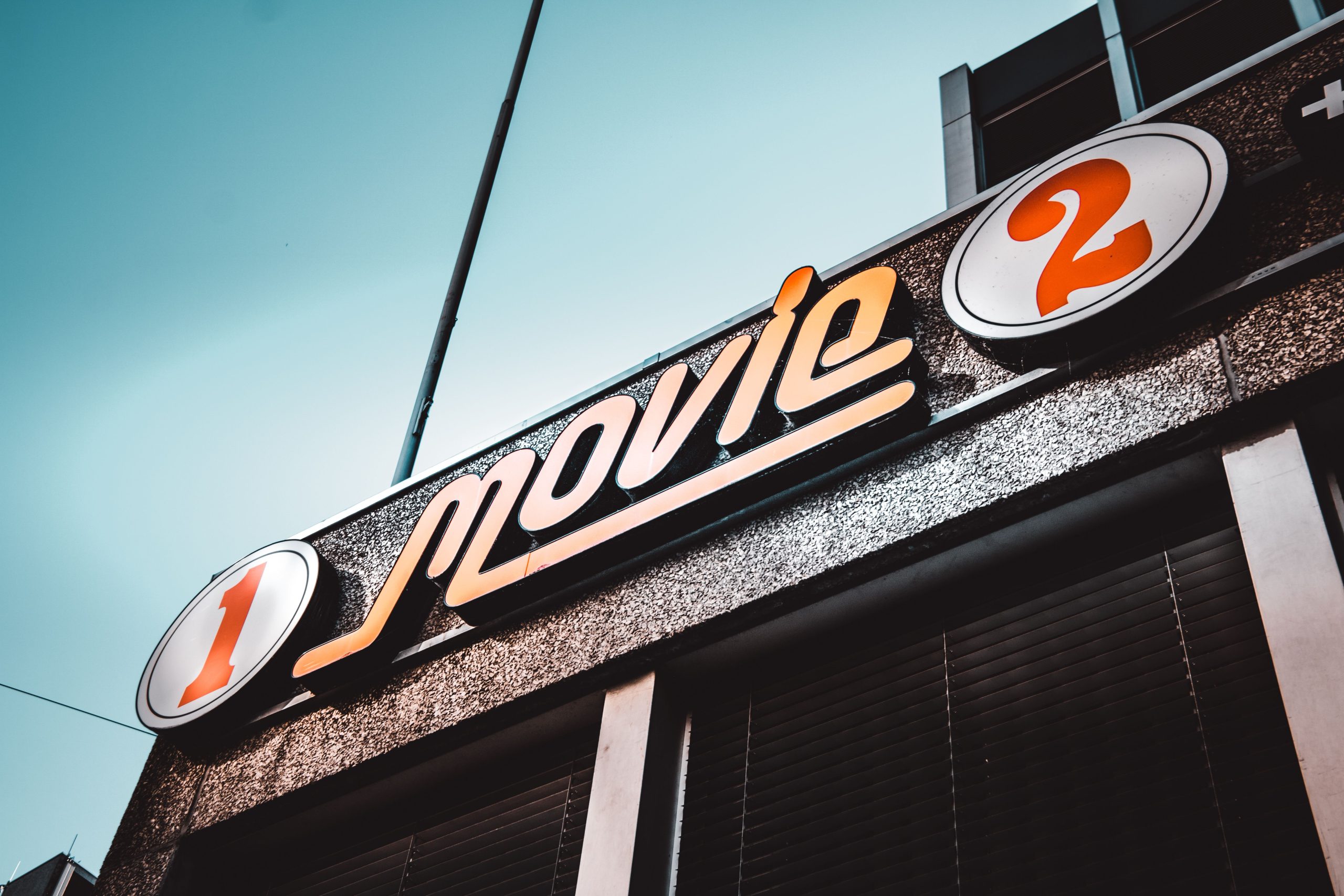
A blade sign (also called a projecting sign or flag sign) mounts perpendicular to a building’s facade instead of flat against it, extending outward over the sidewalk. Because it is double-sided and visible from both directions as people walk or drive by, it catches attention earlier and from much further away than a standard flat wall sign.
Blade signs are especially effective on narrow storefronts, in dense urban retail strips, or in multi-tenant commercial plazas where several businesses share a single building front and each needs a way to capture street-level traffic individually.
How Much Do Blade Signs Cost in Toronto?
Pricing for a custom blade sign depends on its overall dimensions, structural materials, mounting complexity, and whether illumination is required. Primary cost tiers include:
- Non-Illuminated Blade Signs (Aluminum, Acrylic, or PVC): Typically the most economical option, perfect for daytime retail, professional offices, or locations with strong ambient street lighting.
- Illuminated Blade Signs (LED Backlit or Internal Lightboxes): Require higher upfront investment due to internal electrical components and wiring, but extend your visibility through evening hours—crucial for Toronto restaurants, bars, and nighttime retail strips.
- Custom-Shaped & Dimensional Blade Signs: Precision-fabricated using CNC routing and 3D fabrication to match logo contours rather than standard rectangular panels.
Getting an exact estimate based on wall substrate, mounting height, and structural brackets ensures your project stays on budget without unexpected surprises during installation.
Choosing the Right Material for Canadian Weather
Exterior projecting signs must withstand Toronto’s severe seasonal climate swings—from freezing winter conditions to intense summer sunlight. Common material options include:
- Aluminum: Extremely durable, rust-proof, and weather-resistant. Excellent for high-durability exterior applications that will not warp over time.
- Acrylic: Delivers a modern, high-gloss finish. Highly effective for internally lit blade signs because light diffuses cleanly and evenly through the material.
- Dibond / Aluminum Composite Material (ACM): A rigid, lightweight composite panel frequently used for large-format blade signs where minimizing weight on the building mounting bracket is essential.
- PVC & High-Density Foam: Cost-effective options for sheltered, covered walkways, or indoor commercial corridors where direct weather exposure is minimal.
Illuminated vs. Non-Illuminated: Which Do You Need?
Deciding between a lit or unlit projecting sign comes down to your operating hours, location, and street lighting conditions:
Choose Illuminated If:
- You operate into the evening or reside in a high-foot-traffic nightlife district.
- Your storefront is set back from the sidewalk or shaded by trees or awnings.
- You want your sign to act as an illuminated street landmark for arriving customers.
Choose Non-Illuminated If:
- Your business operates strictly during daytime hours (e.g., professional clinics, corporate suites).
- Your building facade already features bright overhead gooseneck or spotlighting.
- Budget efficiency is paramount and you are combining the blade sign with additional window graphics and interior branding.
Do You Need a Permit for a Blade Sign in Toronto?
Yes. Most projecting signs extending over public sidewalks require approval under municipal sign bylaws (such as the City of Toronto Chapter 694 Sign Bylaw). Because blade signs project into public right-of-way airspace, municipalities enforce specific rules regarding clearance heights, maximum projection distances, and electrical safety certifications.
Permit Pro-Tip: Bylaws differ across Toronto, Etobicoke, and surrounding GTA municipalities. Always review structural bracket specs and sign height clearances with your manufacturer prior to fabrication to prevent costly design revisions.
Key Installation & Structural Considerations
Blade signs capture wind like a sail, meaning proper structural anchor installation is critical for long-term safety. Key technical factors include:
- Mounting Surface: Brick, masonry, poured concrete, aluminum curtain walls, and wood studs all require unique structural anchor systems and backing plates.
- Pedestrian Clearance Height: Standard municipal bylaws mandate a minimum vertical clearance above pedestrian sidewalks.
- Wind Load Engineering: Heavy double-sided or illuminated signs require heavy-duty steel or aluminum bracketry rated for Canadian winter wind loads.
Common Blade Sign Mistakes to Avoid
- Skipping Permit Checks: Fabricating a sign before verifying municipal projection guidelines can lead to costly retrofits.
- Undersizing Graphics: A projecting sign that is too small cannot be read by oncoming foot traffic from down the block.
- Ignoring Exterior Wall Type: Designing mounting brackets without assessing masonry, stud layout, or stone facade limitations.
- Selecting Non-Lit for Night Businesses: Missing out on evening foot traffic because the sign goes dark after dusk.
Order Your Custom Blade Sign in Toronto Today
Full Frame Signs designs, fabricates, and installs custom blade signs for storefronts across Toronto, Etobicoke, and the GTA. From precision CNC routing to complete mounting installation, we build projecting signs that elevate your brand and drive consistent foot traffic.
Get A Signage Quote
Custom blade signs designed & installed across Toronto and the GTA.
Full Frame Signs
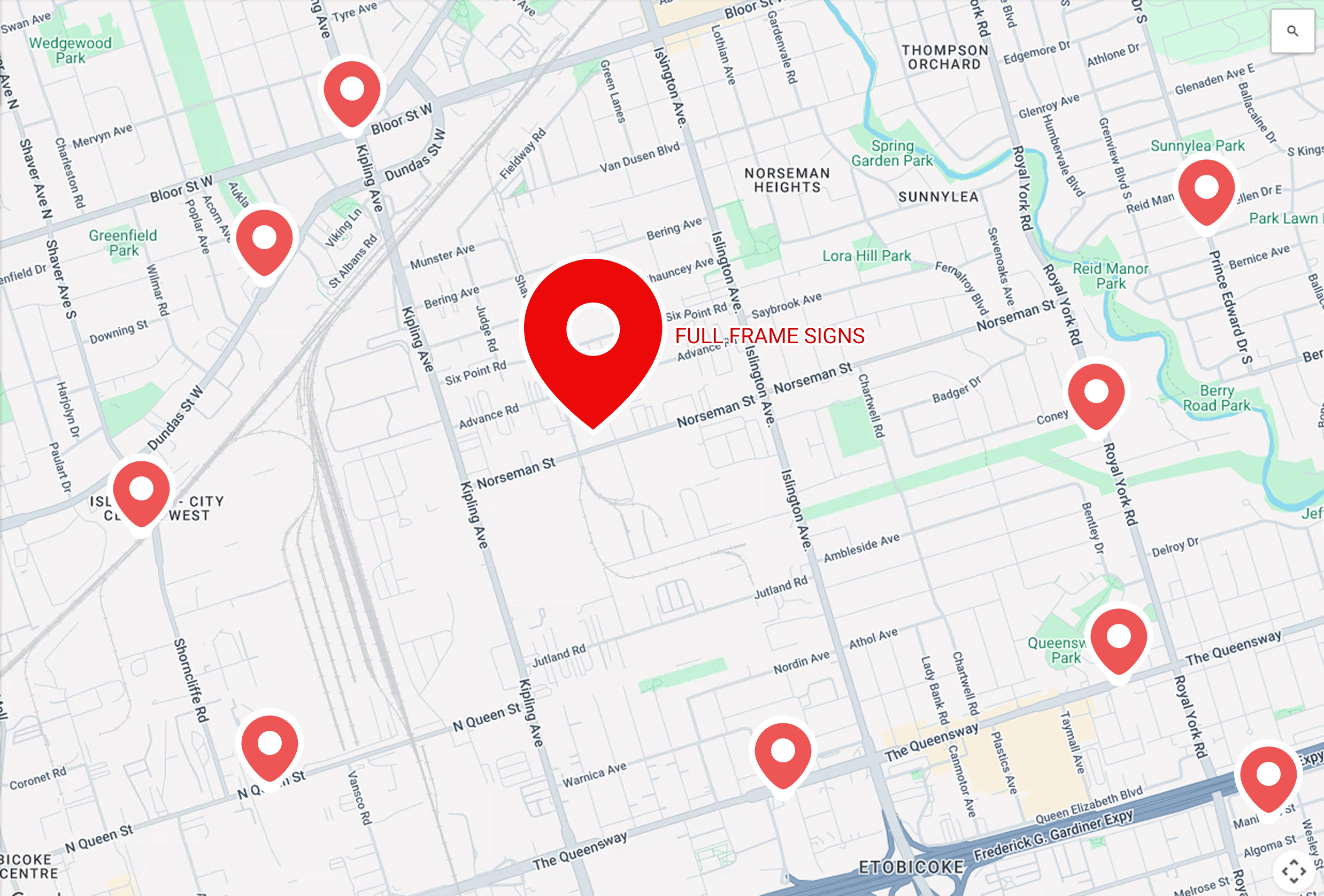
200 Norseman St, Unit 100, Etobicoke, ON M8Z 2R4
Call: (416) 231-7854
FAQ
Q: How much does a blade sign cost in Toronto?
A: Cost depends mainly on size, material, and whether the sign is illuminated. Non-illuminated signs in aluminum or acrylic are typically the most affordable; illuminated signs cost more due to electrical components. Get a quote based on your specific dimensions and mounting requirements.
Q:Do I need a permit for a blade sign?
A: In most cases, yes. Projecting signs that extend over a public sidewalk generally require a permit from the city, with specific rules on clearance height and projection distance. Requirements vary by municipality.
Q:What's the difference between a blade sign and a projecting sign?
A: They’re the same thing, “blade sign” and “projecting sign” are used interchangeably in the industry, both referring to a sign mounted perpendicular to the building rather than flat against it.
Q: What material lasts longest for an outdoor blade sign?
A: Aluminum and Dibond/ACM hold up best to Toronto’s weather over the long term. Acrylic is also durable and well-suited to illuminated designs. PVC and foam board cost less but are better suited to shorter-term use.